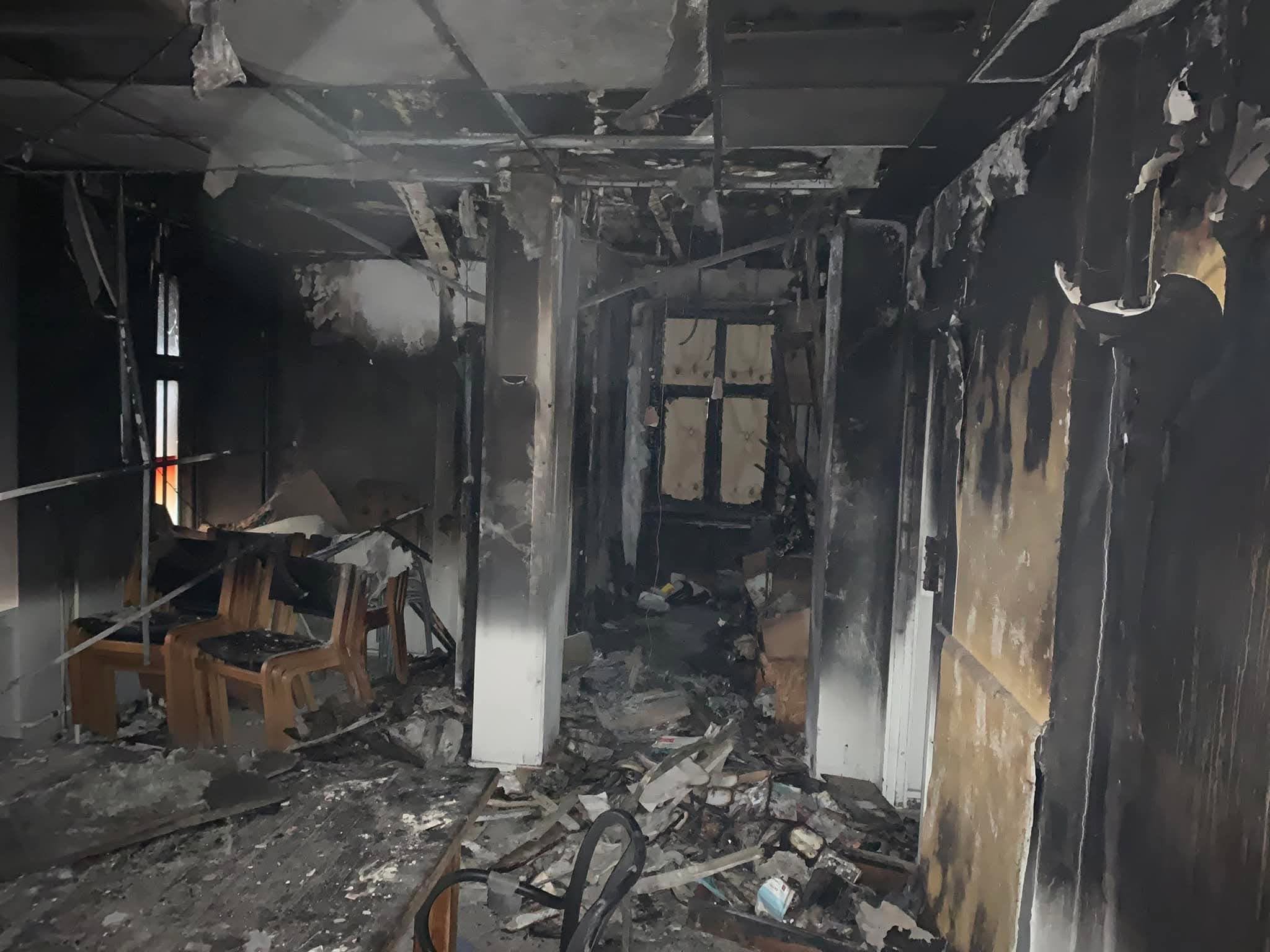
A trial has begun in Copenhagen against four men accused of carrying out the January 2025 arson attack on the offices of WSRW partner Global Aktion.
The offices of WSRW´s partner in Denmark, Global Aktion, was set on fire last year.

The attack took place during the night of 12-13 January 2025, when the perpetrators set fire to Global Aktion's premises in Copenhagen. The blaze caused extensive damage to the organisation's offices and endangered residents living in the same building. Investigators later discovered an unexploded hand grenade at the scene.
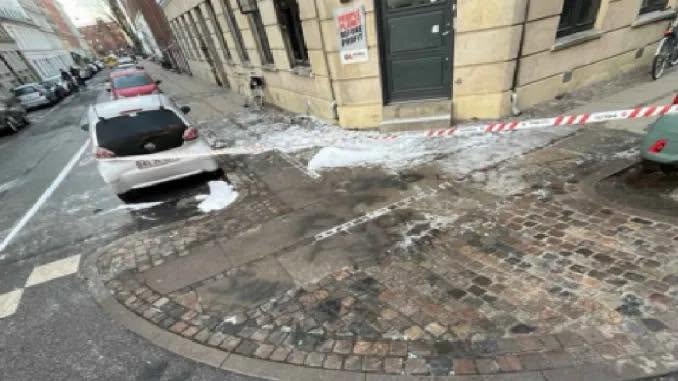
Alongside the arson attack, pro-Moroccan slogans had been painted on the pavement outside Global Aktion's offices. The messages included "Sahara belongs to Morocco" and denunciations of the Western Sahara liberation movement.
During the trial, it emerged that police had found text messages containing the same wording on phones seized from the accused, linking the defendants to the graffiti at the scene.
Four young men are standing trial in the Copenhagen City Court. According to Danish media and Global Aktion, the defendants are alleged to have links to the banned gang “Loyal to Familia” (LTF). Prosecutors are reportedly examining whether the accused acted on behalf of unidentified third parties.
Morten Nielsen of Global Aktion appeared in court this week as a witness. He told the court that the slogans left outside the building strongly suggest a connection between the attack and Global Aktion's solidarity work for Western Sahara.
"In light of the graffiti painted on the sidewalk stating, among other things, that the Sahara belongs to Morocco, there is little doubt that persons or organisations with ties to Morocco were behind it," Nielsen said after his testimony.
Global Aktion has consistently maintained that the attack was politically motivated and linked to its decades-long support for the Saharawi people's right to self-determination. The organisation has argued that the attack should be viewed as an assault on freedom of expression and international solidarity.
WSRW condemned the firebombing when it occurred and expressed solidarity with Global Aktion. The two organizations have worked closely together for decades to document and challenge the exploitation of natural resources in occupied Western Sahara.
A verdict in the case is expected at the end of June.
Since you're here....
WSRW’s work is being read and used more than ever. We work totally independently and to a large extent voluntarily. Our work takes time, dedication and diligence. But we do it because we believe it matters – and we hope you do too. We look for more monthly donors to support our work. If you'd like to contribute to our work – 3€, 5€, 8€ monthly… what you can spare – the future of WSRW would be much more secure. You can set up a monthly donation to WSRW quickly here.
Engie paves way for new farmland in occupied Western Sahara
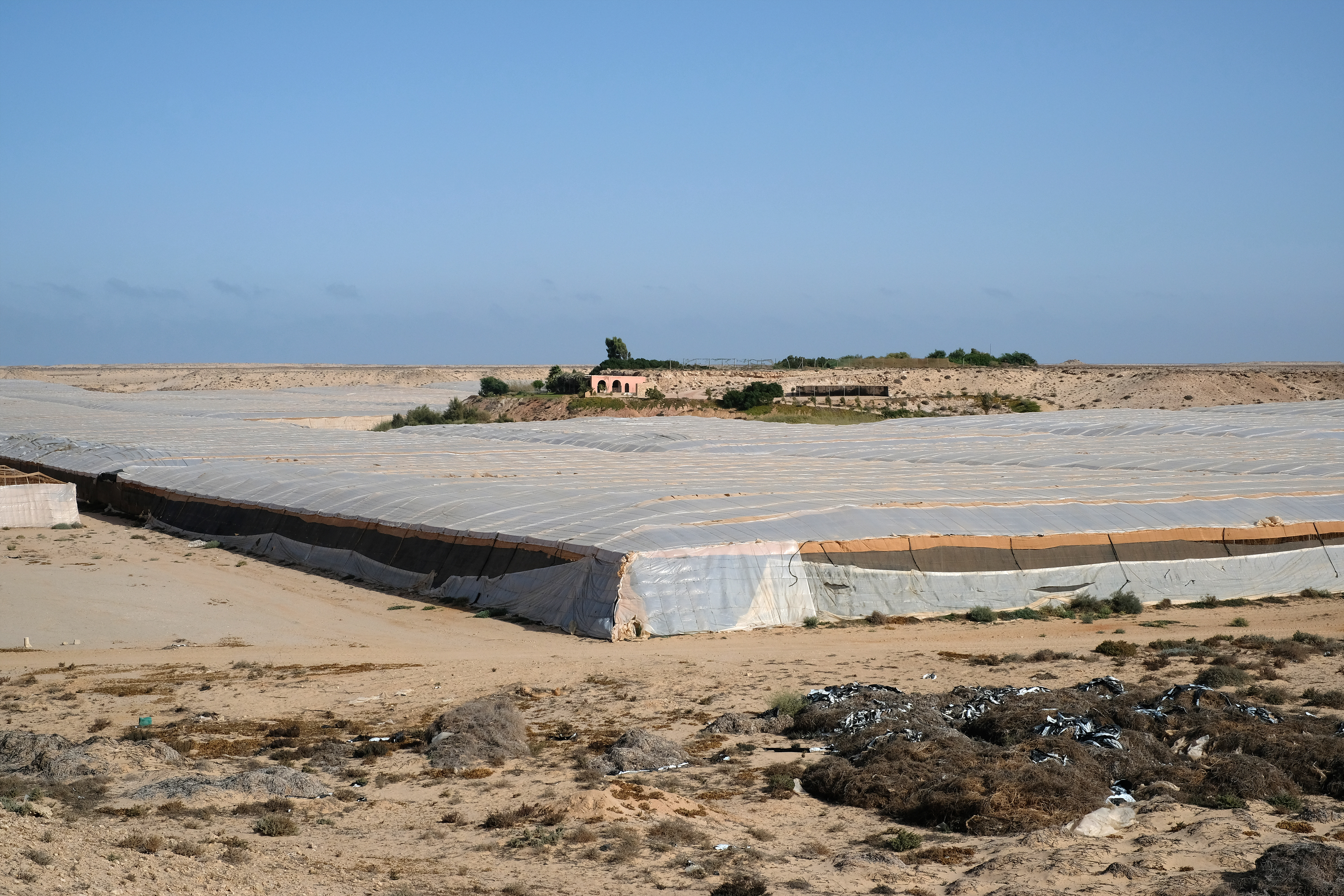
Morocco has launched another tender to allocate more than 1,000 hectares of agricultural land in occupied Western Sahara, made cultivable through the French company Engie. The expansion comes as the EU considers increasing the unlawful trade with the territory.
European Parliament approves updated Morocco aviation agreement… without Western Sahara
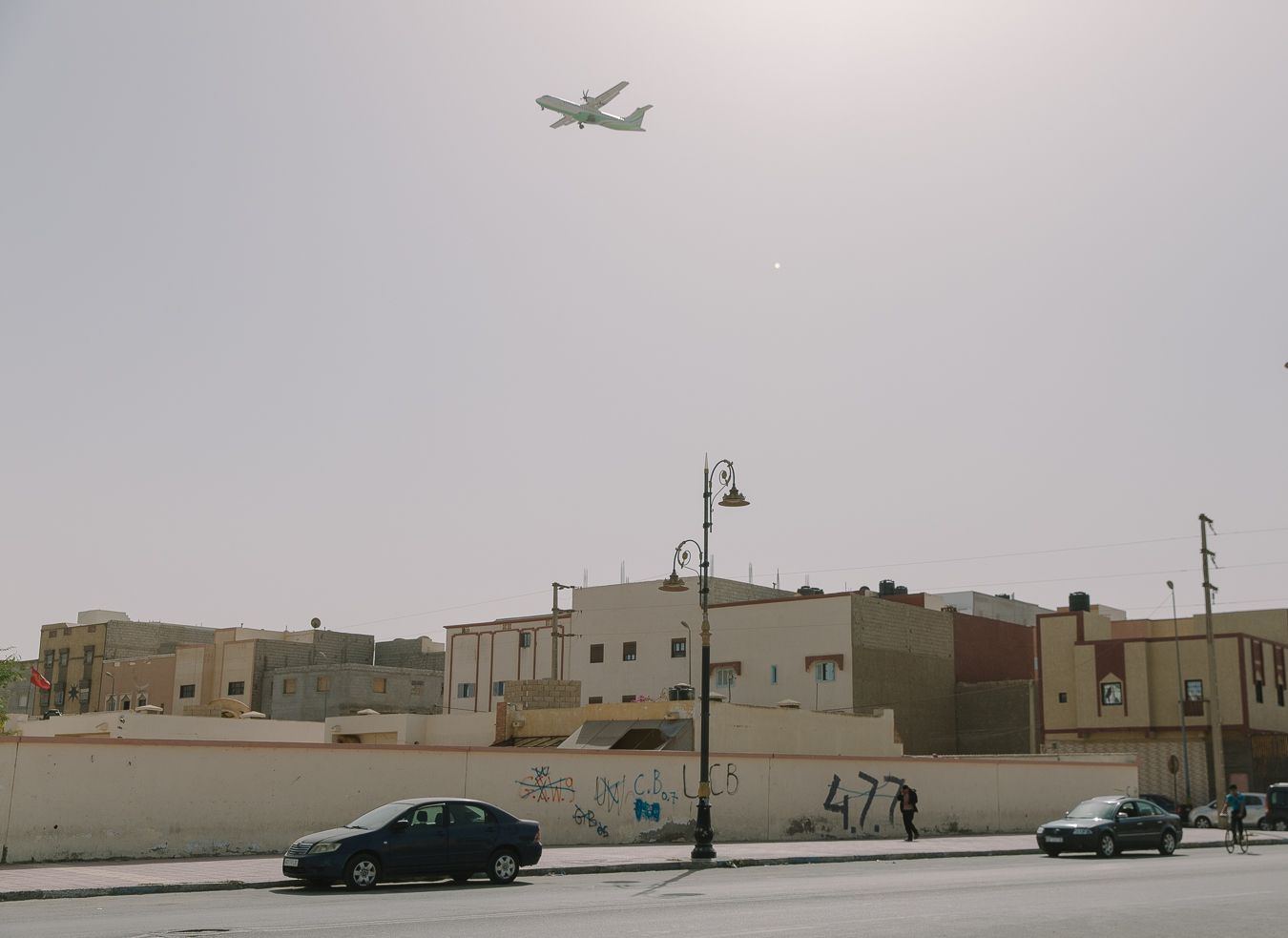
The law is settled, but the practice is not. The recently adapted aviation deal excludes Western Sahara - yet the European Commission still tolerates EU airlines operating there regardless.
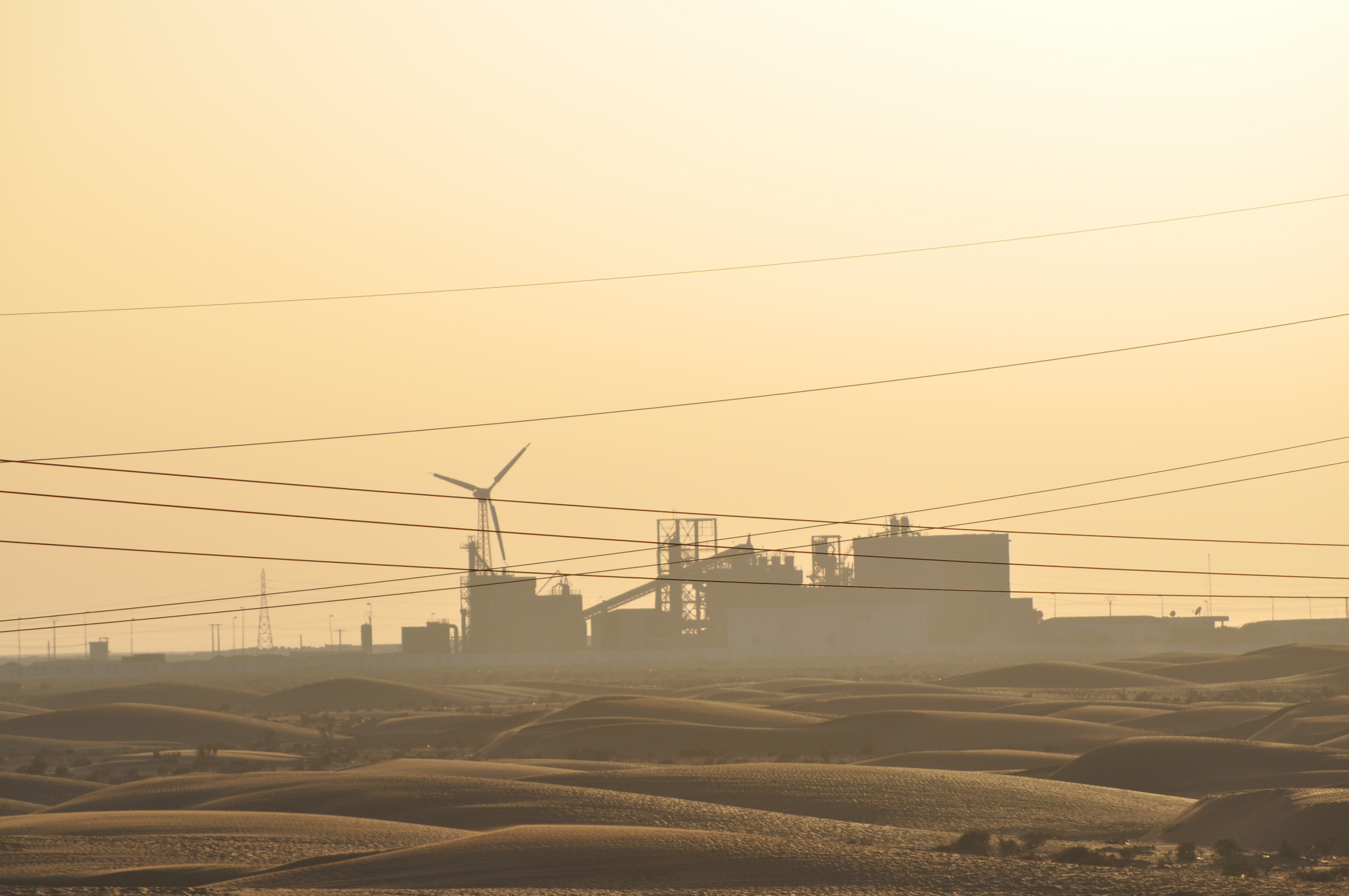
Heidelberg Materials deepens its role in Morocco’s occupation of Western Sahara
The German company confirms once again that its operations in occupied Western Sahara are closely tied to Morocco’s infrastructure expansion in the territory - while continuing to dismiss the Saharawi people’s right to consent.

The conflict phosphates - four decades of plunder
For over 40 years, a Moroccan state-owned company has exported phosphate rock from occupied Western Sahara.